Thinking for Ourselves
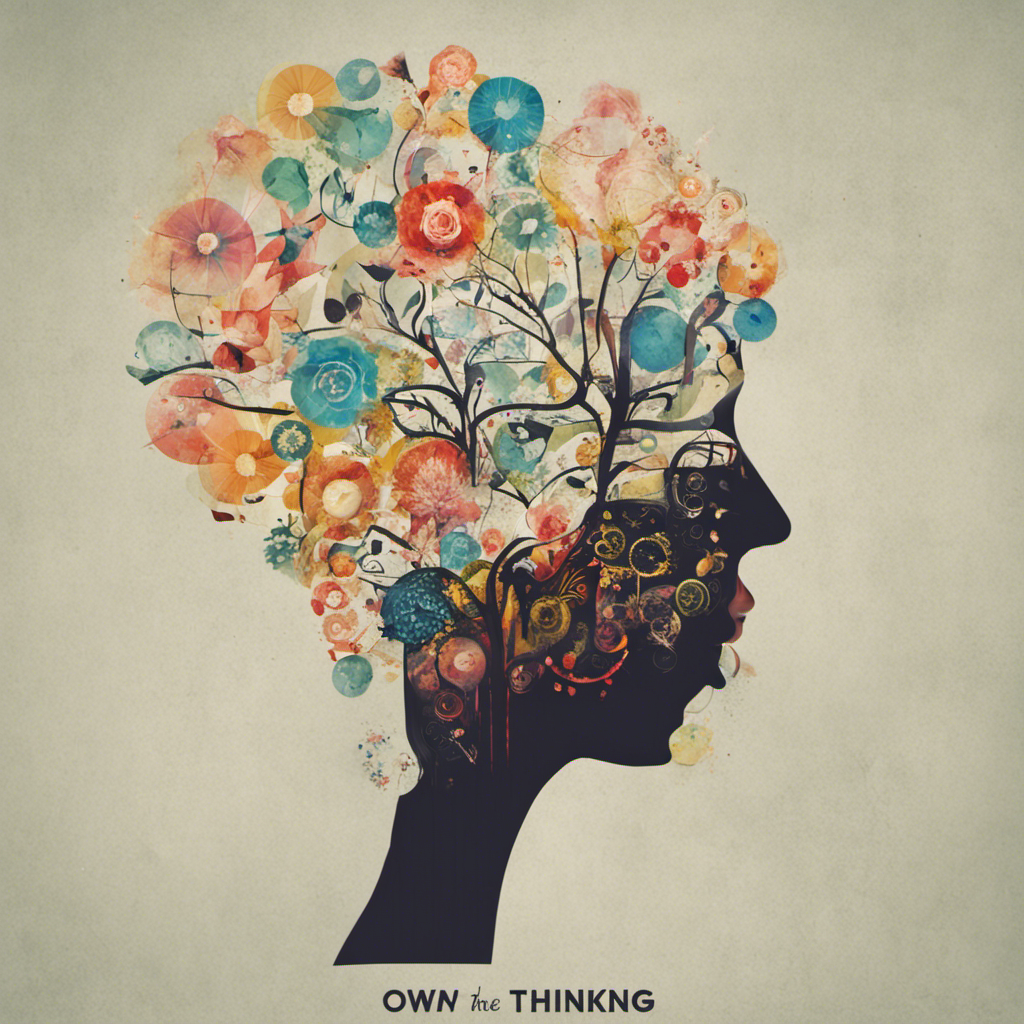
AI is here, and it’s been here for a while. Calculators, spreadsheets, your phone. When a machine thinks for you - it’s AI. AI is silicone compute.
And now, we have a new kind of AI. A language AI. So what is different?
The capability is different.
Consider what we think about. We have an aversion to some kinds of thinking and an obsession with other kinds. For example; most of us avoid thinking about taxes, planning meals, or our death - and many of us obsess over niche topics like music, engineering, or art. We obsess because it’s joyful. There is great satisfaction in mastery.
In the background, our minds are particularly good at optimizing thinking patterns. Compiling them, improving them, and making thinking a reflex that takes less energy. Given enough practice, it becomes easier and easier to play the piano, write code, or diagnose a patient. We become masters.
Effective leaders delegate to manage their time. Only the most consequential decisions are made by the CEO, all others are delegated. But the most consequential decisions are kept.
And this is the opportunity and the profound change that comes with this new and capable AI.
We get to decide when to think, and when to delegate.
We have an extraordinary future ahead, a future of AI for all kinds of thinking. Meal planning, taxes, buying a home, making money, making art, exploring, fighting wars, maintaining relationships, and even finding a spouse.
There is an optimistic spin, and a darker one.
Some might argue that if we delegate everything we risk forgetting how to build things, forgetting how to be artists, and forgetting how to think.
I disagree.
We will never stop thinking for ourselves - because it’s joyful.
It’s fundamentally human to obsess, to learn, and to create. AI accelerates this, and our ability to think for ourselves is the necessary regulation.
After all, we made AI because we wanted to, because it was joyful. If anything, AI allows us to think more, and on the most consequential things.